The Great Migration Guide
The earth literally moves beneath your feet. It starts as a low, distant hum—a vibration felt in the chest before it is heard by the ears. Then, the horizon shifts. A cloud of dust, turning the golden African sunset into a hazy, crimson curtain, rises to the sky. And then they appear: a swarm of life so vast it defies comprehension. This is not just a movement of animals; it is the heartbeat of East Africa. This is the Great Wildebeest Migration.
Often cited as the "World Cup of Wildlife" and recognized as one of the Seven Natural Wonders of Africa, the Great Migration is a cyclical journey of survival, birth, and predation that spans the Serengeti ecosystem in Tanzania and the Masai Mara National Reserve in Kenya. For the traveler, it is the Holy Grail of safaris—a spectacle that reminds us of the raw, untamed power of nature.
At Rhino Trek Expeditions, we have spent years tracking these herds. We know that witnessing the migration isn’t just about luck; it’s about understanding the ancient rhythm of the rain and the land. In this comprehensive guide, we will take you deep into the chaos and the beauty of the migration, helping you plan the safari of a lifetime.
The Science Behind the Spectacle: Why Do They Move?
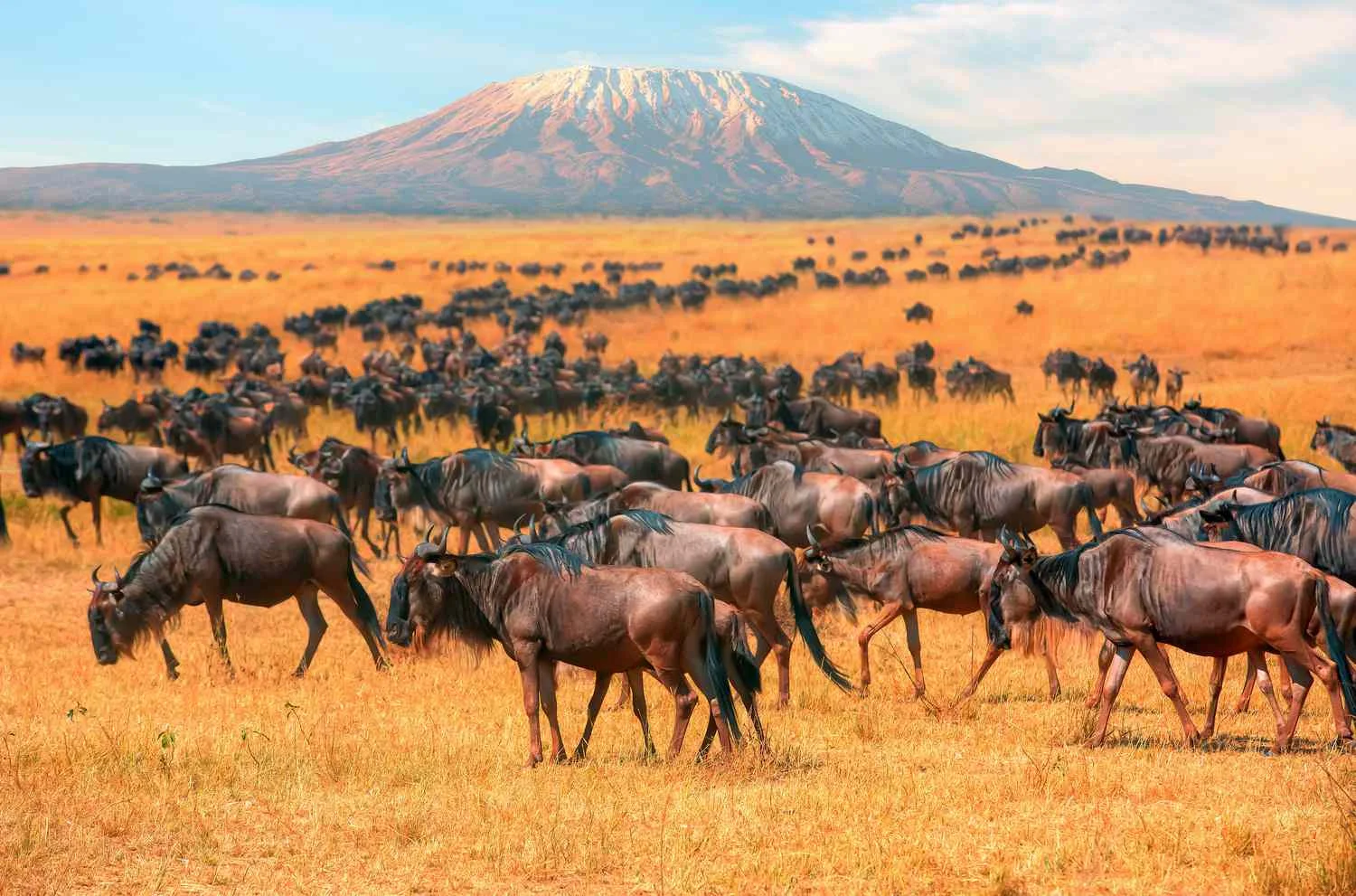
To understand the migration, one must understand the wildebeest itself. Often referred to as the "clown of the savannah" due to its chaotic appearance, the wildebeest is actually a biological masterpiece of endurance. Over 1.5 million blue wildebeest, accompanied by 200,000 zebras and 350,000 gazelles, are driven by a singular, primal instinct: rainfall.
The herds are essentially chasing the grass. As the rains move across the Serengeti-Mara ecosystem, fresh, mineral-rich grass sprouts in their wake. The wildebeest create a "mowing" dynamic with the zebras. Zebras, with their sharp incisors, eat the taller, tougher parts of the grass, exposing the softer, nutrient-dense shoots that the wildebeest prefer. This symbiotic relationship allows millions of herbivores to traverse the same landscape without starving.
"It is a endless loop of life and death. There is no starting point and no finish line. The migration is the blood that keeps the ecosystem alive."
The Predator Trap
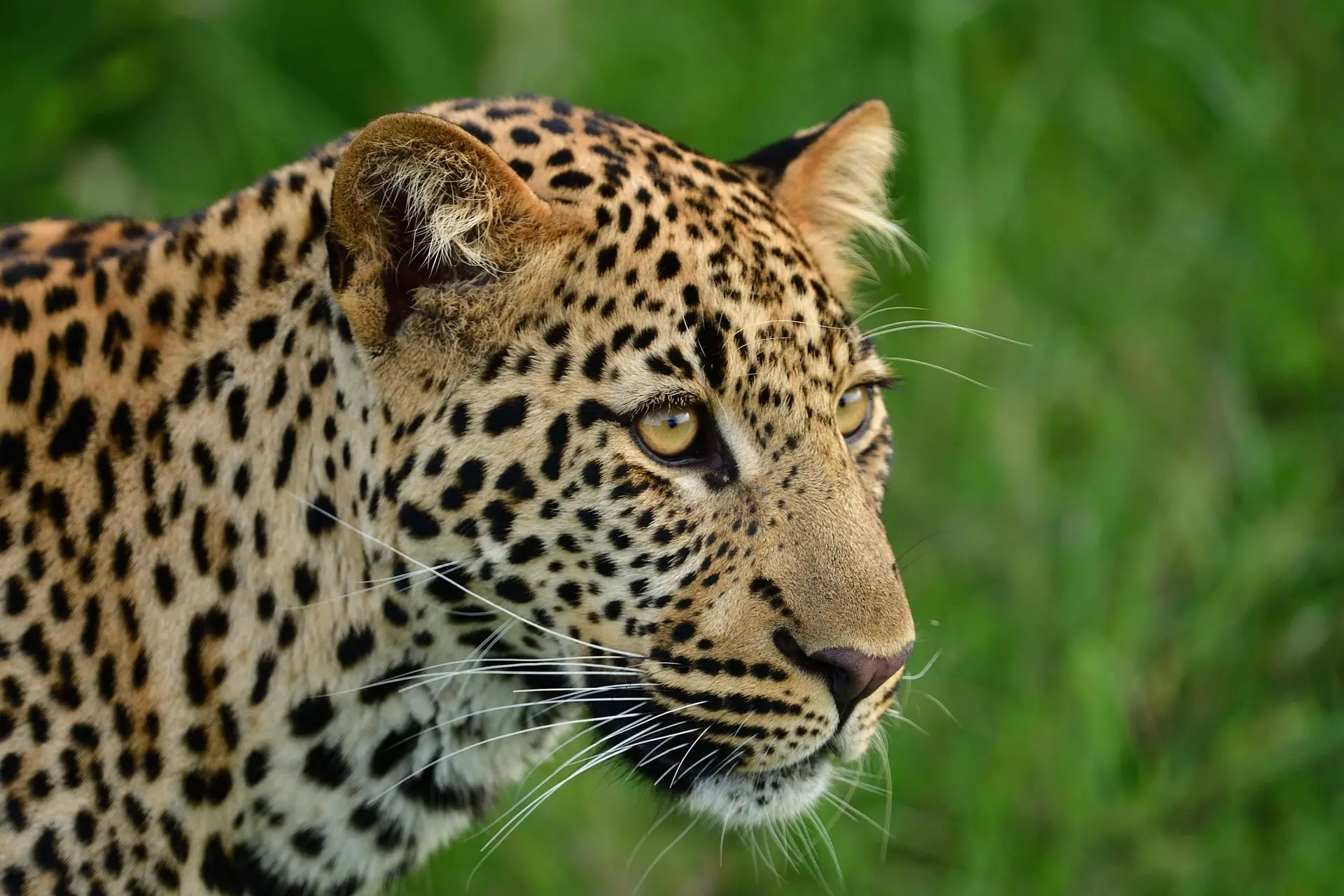
Where the herds go, the predators follow. The migration supports the highest density of large predators on the planet. Lions, leopards, cheetahs, and hyenas trail the herds, picking off the weak, the young, and the old. But the most terrifying predators lie in wait in the rivers. The Nile Crocodiles of the Mara and Grumeti rivers can grow up to 16 feet long, and they wait all year for the herds to cross.
Did You Know?
The migration acts as a massive carbon sink? By grazing, trampling, and fertilizing the land with dung, the herds stimulate plant growth which captures carbon from the atmosphere. Without them, the grass would grow tall and dry, leading to massive wildfires that release carbon back into the air.
The Cycle: A Month-by-Month Breakdown
Many travelers believe the migration happens only in July and August. This is a myth. The herds are always moving. Depending on when you book your safari with Rhino Trek Expeditions, you will witness a different chapter of this epic story.
January – March: The Calving Season (Southern Serengeti)
This is arguably the most beautiful time to visit Tanzania. The herds congregate on the short-grass plains of the southern Serengeti and the Ngorongoro Conservation Area. The grass here is rich in phosphorus and calcium—crucial for milk production.
In a synchronized biological marvel, nearly 8,000 calves are born every single day during a three-week peak in February. The plains are dotted with wobbly-legged newborns.
- The Highlights: Incredible predator action. Lions and cheetahs feast on the vulnerable calves. It is brutal, but it is nature.
- Best For: Photographers looking for "cute" baby animal shots and intense chase scenes.
April – May: The Rut and the Trek North (Central Serengeti)
As the long rains begin, the plains dry out. The herds begin to move north into the Central Serengeti (Seronera) and the Western Corridor. This is the mating season, or "The Rut." The noise is deafening as half a million bulls clash horns and grunt to stake out territory and attract females.
This is considered the "Green Season." The crowds are thinner, and the lodges offer better rates, making it a fantastic time for budget-conscious travelers.
June – July: The Grumeti River Crossings
The herds reach the Western Corridor and face their first major obstacle: the Grumeti River. The water is deep, and the crocodiles here are massive. While not as famous as the Mara River crossings, the Grumeti crossings are often more private and intimate experiences.
August – October: The Main Event (The Masai Mara)
This is the climax of the film. The herds cross the border from Tanzania into Kenya’s Masai Mara National Reserve. But to get to the lush grass of the Mara Triangle, they must cross the Mara River.
This is the scene you have seen in documentaries. Thousands of animals gather at the riverbank, nervous and frantic. The dust clouds rise. Finally, one brave animal takes the leap, and chaos ensues. Bodies thrash in the water, crocodiles snap, and the air is filled with the panic of survival.
- Pro Tip: Patience is key. We might park by the river for hours waiting for a crossing. It requires endurance, but the reward is a memory etched into your soul forever.
- Crowds: This is peak season. Booking your accommodation 6-12 months in advance is essential.
November – December: The Return South
As the short rains begin in the south, the herds sense the change in pressure. They turn around and begin the long trek back to the Serengeti calving grounds, completing the circle of life.
Kenya vs. Tanzania: Where Should You Go?
This is the most common question we get at the Rhino Trek offices. The answer depends on your travel dates and your budget.
The Masai Mara (Kenya)
The Mara is smaller than the Serengeti, which means the density of wildlife is incredibly high. During the migration (Aug-Oct), the plains are literally black with wildebeest. The Mara also offers a wide range of accommodation, from ultra-luxury tented camps to budget-friendly lodges.
Why choose Kenya? Ease of access (short flights from Nairobi), high density of big cats, and the cultural interaction with the Maasai people.
The Serengeti (Tanzania)
The Serengeti is vast. It feels endless. If you want a sense of isolation and scale, this is the place. Because the herds spend about 8-9 months of the year in Tanzania, you have a wider window to see them here.
Why choose Tanzania? The calving season, the sheer scale of the landscape, and fewer vehicles in the off-peak months.
Can't decide? Why not do both? Our Cross-Border Safari Packages allow you to experience the best of both worlds, crossing the Isebania border by road or flying between the parks.
A Day in the Life: What to Expect on Migration Safari
A migration safari is not a holiday for sleeping in. The rhythm of the bush dictates your schedule.
05:30 AM – The Wake-Up Call
A camp steward gently wakes you with a tray of hot coffee and biscuits at your tent door. The air is crisp and cool. You can hear the distant roar of a lion or the hoot of a hyena.
06:15 AM – The Sunrise Game Drive
We depart just as the sun begins to bleed over the horizon. This is the "Golden Hour" for photography. The predators—lions, leopards, cheetahs—are active, returning from their night hunts or stalking prey in the cool morning air. We head straight for the river or the plains where the herds were spotted last night.
09:30 AM – Bush Breakfast
Instead of returning to the lodge, we often set up a picnic breakfast under a lone Acacia tree in the middle of the savannah. There is nothing quite like eating eggs and bacon while watching a herd of elephants stroll by in the distance.
12:00 PM – Siesta
The midday sun is harsh, and the animals retreat to the shade. We return to the lodge for a hearty lunch and a rest. You might take a dip in the pool, read a book on your private deck, or edit your photos.
04:00 PM – Afternoon Drive & Sundowners
As the heat breaks, the bush comes alive again. We head out for the evening drive. We might find a cheetah mother teaching her cubs to hunt or a massive river crossing taking place late in the day. As the sun sets, we stop for "Sundowners"—the safari tradition of a gin and tonic (or cold Tusker beer) watching the African sun dip below the horizon.
Photography Tips for the Migration
Capturing the magnitude of the migration can be challenging. Here are a few tips from our expert guides:
- Bring a Wide Lens: Everyone focuses on the zoom lens for close-ups, but a wide-angle lens (16-35mm) captures the scale of the herds stretching to the horizon.
- Shutter Speed is King: For river crossings, the action is fast and chaotic. Keep your shutter speed high (at least 1/1000th or 1/2000th of a second) to freeze the water droplets and the leaping animals.
- Don't Forget the Dust: Dust creates atmosphere. Shoot into the light (backlit) when animals are running through dust to create dramatic, golden-rimmed silhouettes.
- Capture the Story: Don't just shoot the animals. Shoot the landscape, the storm clouds, the river, and the details like the hooves or the frantic eyes.
Conservation: The Threats to the Thunder
While the migration seems timeless, it is fragile. It faces threats from climate change, poaching, and human encroachment. Changes in rainfall patterns can disrupt the grass growth, leading to mass starvation. Fences erected for farming block ancient migratory corridors.
By traveling with ethical operators like Rhino Trek Expeditions, you are directly contributing to the survival of this spectacle. Park fees go to the Kenya Wildlife Service and local conservancies to fund anti-poaching units and veterinary services.
We also partner with community conservancies that pay land leases to the local Maasai people, ensuring that wildlife is seen as a valuable asset rather than a nuisance.
Practical Guide: Planning Your Trip
What to Pack?
- Colors: Wear neutral colors (khaki, beige, green). Avoid dark blue/black (attracts tsetse flies) and bright whites (scares animals).
- Layers: Mornings are cold (10°C/50°F), days are hot (30°C/85°F). Dress in layers.
- Gear: Binoculars are a must. A good camera, extra batteries, and a dust-proof bag.
Health & Visas
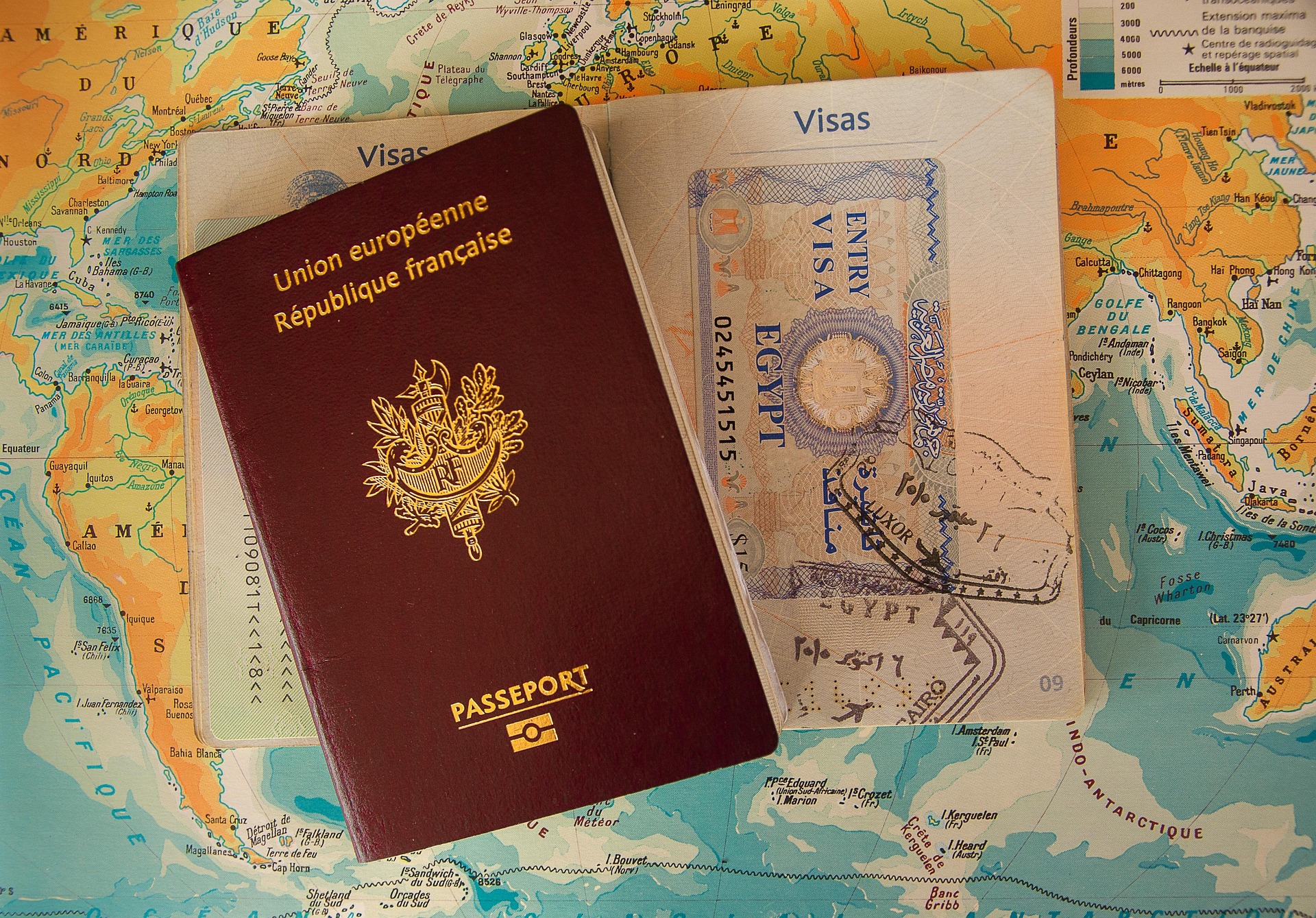
Ensure your Yellow Fever vaccination is up to date. Malaria prophylaxis is highly recommended. Kenya now requires an Electronic Travel Authorisation (eTA) applied for online before travel.
Ready to Chase the Thunder?
The Great Migration is not just a holiday; it is a pilgrimage for nature lovers. It is a reminder of our place in the world. Whether you want to witness the drama of the river crossing or the tenderness of the calving season, Rhino Trek Expeditions is here to guide you.
Our 2026/2027 migration calendar is filling up fast. If you are ready to witness the greatest show on earth, contact us today to start planning your bespoke itinerary.