The Original Home of Safari
Kenya is the world's premier safari destination, offering an unparalleled tapestry of landscapes and wildlife encounters. For travelers from across the globe, it represents the quintessential African dream—where the golden savannah meets the azure waters of the Indian Ocean.
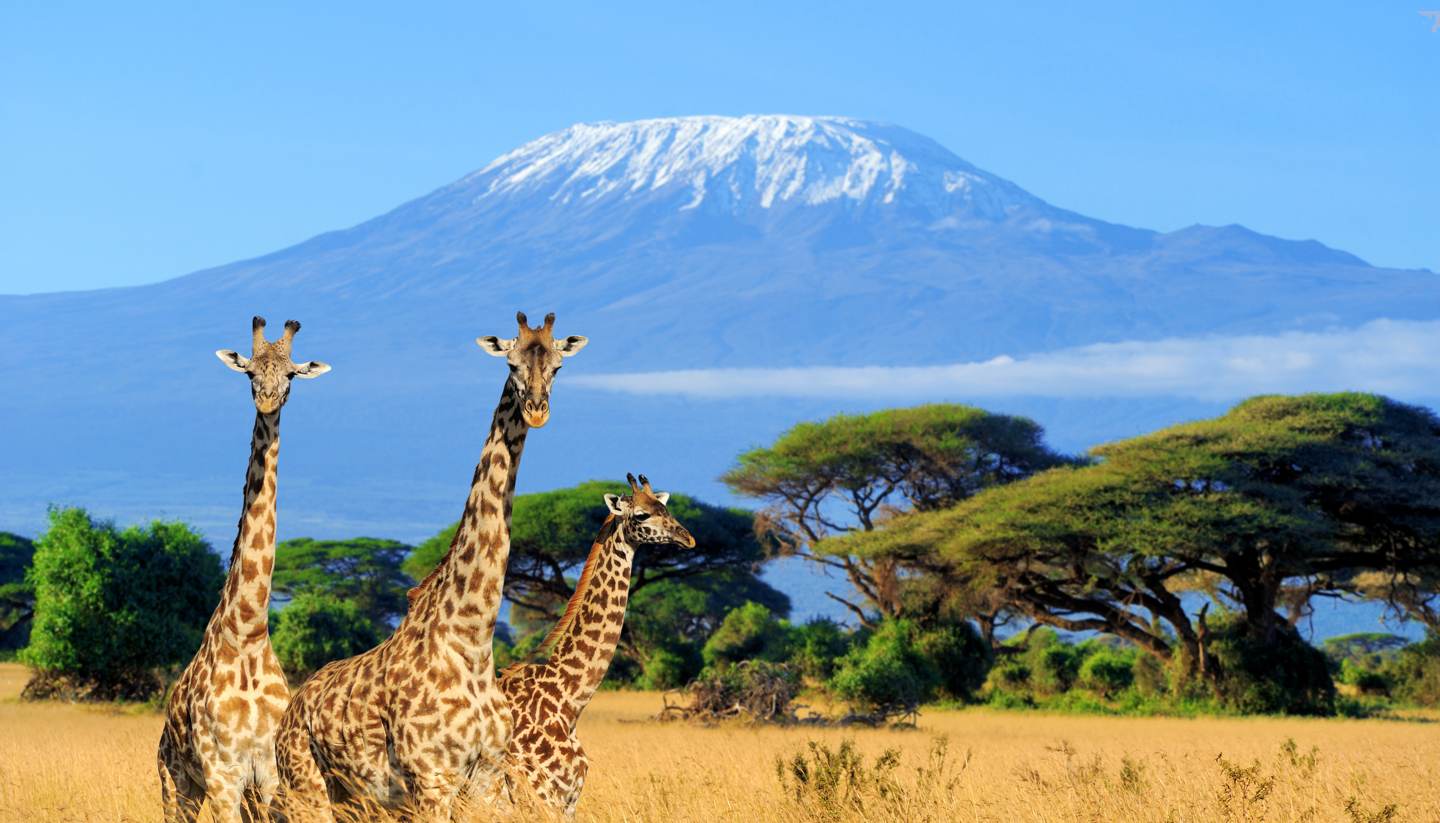
From the legendary Masai Mara, famous for the Great Wildebeest Migration, to the massive "Red Elephants" of Tsavo and the iconic views of Mount Kilimanjaro from Amboseli, Kenya's national parks are managed with world-class conservation standards. Our bespoke Urban Jay Safaris itineraries are designed to immerse you in this natural wonder while providing the luxury, comfort, and security expected by international explorers.
Why Kenya?
Kenya stands as Africa's original safari destination, where the concept of wildlife tourism was born. With over 54 national parks and reserves covering 12% of the country's land area, Kenya offers unparalleled biodiversity within accessible distances. The country's innovative community-based conservation model through conservancies has transformed vast tracts of land into protected wildlife corridors while directly benefiting local communities. Kenya's strategic infrastructure, with international airports in Nairobi, Mombasa, and Eldoret, makes it the most accessible East African safari destination for global travelers.
The Great Migration in Masai Mara
The Masai Mara National Reserve is the stage for nature's most spectacular drama—the Great Wildebeest Migration. Between July and October, over 1.5 million wildebeest, accompanied by 200,000 zebras and 500,000 gazelles, thunder across the Mara River in their annual quest for fresh grazing. The Mara River crossings are among the most photographed wildlife events on Earth, with massive Nile crocodiles lying in wait for the vulnerable herds. Unlike its Tanzanian counterpart, the Mara offers concentrated viewing in a compact 1,510 km² reserve, ensuring exceptional game drives with high probabilities of witnessing predator action.
Mara Conservancies Advantage
For an exclusive Urban Jay Safari experience, our partnered private conservancies (Olare Motorogi, Mara North, Naboisho) offer the same wildlife as the reserve with 90% fewer vehicles. Night game drives, bush walks, and off-road driving are permitted here—activities strictly prohibited inside the main reserve.
Kenya's Iconic National Parks
Cultural Heritage
Kenya's cultural tapestry weaves together over 42 distinct ethnic communities, each with unique traditions and languages. The Maasai, perhaps Africa's most recognizable indigenous group, maintain their semi-nomadic pastoral traditions across the southern Rift Valley. The Samburu, cousins to the Maasai, preserve their ancient ways in the arid north. The Swahili culture along Kenya's coast represents a thousand years of trade between Africa, Arabia, and India, visible today in the coral-stone architecture of Lamu and Mombasa's Old Town—both UNESCO World Heritage sites.
Maasai & Samburu
- Rift Valley & Northern
- Pastoral traditions
- Warrior age-sets
- Intricate beadwork
Swahili Coast
- Lamu, Mombasa, Malindi
- Dhow trade history
- Coral stone architecture
- Spice-infused cuisine
Cradle of Humankind
- Lake Turkana fossils
- Koobi Fora hominids
- Leakey discoveries
- 3M+ year history
Best Time to Visit Kenya
Peak Season (July-Oct)
Masai Mara Migration: River crossings, excellent game viewing, sunny days. Book 6-8 months ahead.
Shoulder (Jan-Mar, Nov)
Green landscapes, calving season in Mara, fewer tourists, excellent rates. Ideal for luxury value.
Green Season (Apr-May)
Long rains, lush landscapes, dramatic skies, birding paradise, lowest rates. Some camps closed.
Conservation Success Stories
Kenya pioneered the conservancy movement, transforming community land into protected wildlife areas. Today, over 160 community conservancies cover more than 6.4 million hectares across Kenya—exceeding the total area of national parks. The black rhino recovery program has brought populations from fewer than 400 individuals in the 1980s to over 1,250 today, with sanctuaries in Nakuru, Ol Pejeta, and Tsavo leading the recovery. Ol Pejeta Conservancy is home to the last two northern white rhinos, where cutting-edge IVF research offers hope for subspecies survival.
The Sheldrick Wildlife Trust, founded in 1977, has rescued and rehabilitated over 300 orphaned elephants, releasing them back into the wild at Tsavo. Kenya's plastic bag ban (2017) and single-use plastic ban in protected areas (2020) demonstrate national commitment to environmental preservation. Traveling with Urban Jay Safaris directly supports these initiatives through conservancy fees and park entry charges.
Beyond the Safari
Kenya offers extraordinary experiences beyond the savannah. The Swahili Coast stretches 500km along the Indian Ocean, with Diani Beach, Watamu, and Lamu offering powder-white beaches and coral reefs teeming with marine life. Lamu Old Town, Kenya's oldest continually inhabited settlement, transports visitors to the 14th century with its donkey-filled alleyways and Swahili architecture. Mount Kenya, Africa's second-highest peak, offers challenging trekking through pristine afro-alpine zones. The Great Rift Valley's chain of lakes provides vital wetland habitats and stunning landscapes best viewed from the escarpments.
Travel Information
International Airports
- NBO - Nairobi (JKIA)
- MBA - Mombasa
- EDL - Eldoret
- KIS - Kisumu
Visa & Entry
- ETA Required
- 90-day validity
- Apply 72 hrs prior
- etakenya.go.ke
Health
- Malaria prophylaxis
- Yellow fever*
- Typhoid recommended
- Travel vaccinations
Currency
- Kenyan Shilling (KES)
- USD widely accepted
- Visa/Mastercard
- ATMs in cities
Jomo Kenyatta International Airport (NBO) serves as East Africa's primary aviation hub with direct flights from major European capitals (London, Amsterdam, Frankfurt, Paris) and North America. Visa requirements: Most nationalities require an ETA (Electronic Travel Authorisation) prior to travel. Health precautions: Yellow fever vaccination required if arriving from endemic countries; malaria prophylaxis essential year-round. Connectivity: Safaricom offers the best network coverage with 4G in all towns and most parks; e-SIMs available for compatible devices.
Pro Travel Tip
Combine a northern circuit safari (Masai Mara, Lake Nakuru, Amboseli) with 3-4 days on the coast for the complete Kenyan experience. Direct flights from the Mara to Diani/Watamu operate daily during peak season. Talk to our Urban Jay travel experts to tailor your perfect itinerary.